
CleaningHome ServicesWebsite Rebuild
How a brand-new cleaning company grew to $33K a month in 16 months
Sixteen months in, a cleaning company north of Chicago that had barely existed online was running at $33K a month, with more than 110 recurring cleans on the calendar and a team that kept hiring to keep up. We were there from the beginning, building the website, the booking flow, and the custom software that now runs the business.
INDUSTRY Residential and commercial cleaning
•
TIMEFRAME 16 months, ongoing
•
SCOPE Website, booking system, CRM, SEO, local search, and content
The results
$33K/mo
monthly revenue run rate
110+
recurring cleans a month
194
new bookings with a deposit
#1
map pack, 17 core searches
$300K+
revenue in 16 months
The Challenge
When we met them, the company was just getting started. The owners had a clear picture of the business they wanted: a family-owned cleaning company built on quality work and, above all, clients who come back every week, every two weeks, or every month. What they didn’t have yet was much of anything online to support it.
The brand barely showed up on Google, and its first website ran on a rigid booking platform that limited how the team could quote, book, and grow. A new cleaning company also has to earn trust from people who are about to let a stranger into their home, and it has to do that with no reputation to lean on yet, so every page on the site had to help build that trust.
A cleaning business earns in more than one way. A deep clean can turn into a biweekly visit, a move-out clean is priced by the size of the home, and a commercial space needs a walk-through and a custom quote. Pricing, booking, and following up on all of it needed systems built around this business, and a template platform couldn’t grow with them.
Why this was such a good fit
Getting in at the beginning meant nothing had to be undone. There were no legacy pages to untangle and no old processes to work around, so every decision about the site, the booking flow, and the software could be made around how this team wanted to run their business. We’ve worked as an extension of their team since day one, and that’s still how it works today.
Our Approach
We started with the operation. Before designing a single page, we worked closely with the team to map how a request becomes a booked clean: how it comes in, how it gets priced, where it goes next, and what happens after the first visit. Everything we built came out of that map, and each piece was designed to feed the others: the website brings people in, the booking flow turns them into customers, the software keeps the operation running, and the content keeps the right people finding them.
A Custom Website Built to Grow
We rebuilt the site from the ground up, fully custom, so the company owns every page, form, and workflow. That gave us room for a page for each type of clean, location pages for the areas they serve, and a structure that keeps growing as the business adds services and neighborhoods. We also built a comparison page that lays out how a standard clean, a deep clean, and a move-in or move-out clean differ, so customers can pick the right service on their own.
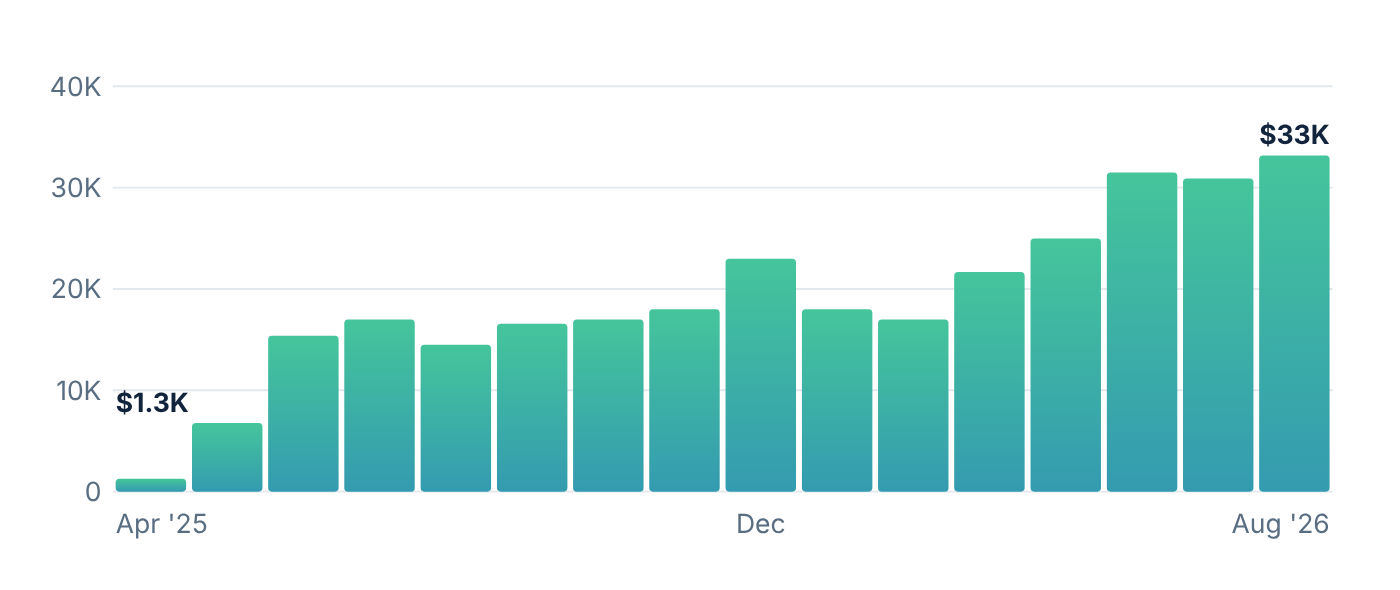
The new site went live in April 2025, and by its third month the company was bringing in more than $15K a month.
Live Pricing and Booking in One Flow
Customers see a price before they talk to anyone. Each type of clean has its own booking form, and it builds a live estimate as people answer questions about their home: square footage, bedrooms, bathrooms, pets, and add-ons like the inside of the fridge or oven. A routing step up front sends each visitor to the right form for a standard clean, a deep clean, a move-in or move-out clean, or a commercial quote.
Pricing was set up to make recurring service the easy choice. Weekly, biweekly, and monthly schedules carry a discount on the base price of standard and deep cleans, and customers watch the savings show up in their estimate as they pick a schedule. More than one in five online bookings chose a recurring schedule right at checkout.
We aligned with the owner on transparent pricing and have pushed that heavily on service pages, pricing calculators, and more. Search engines and AI models love this kind of transparency. We’ve seen this improve the results across platforms and have even seen ChatGPT use the pricing calculator information directly to give answers to specific quote request prompts.
Every online booking is secured with a deposit that’s scaled to the type of clean and applied to the total. So far that adds up to 194 net new bookings, each one committed before the first visit.
The Software That Runs the Business
The biggest piece of this partnership sits behind the website. Side by side with their team, we built a complete custom CRM that now powers the entire operation. Every form on the site feeds it, through lead flows we mapped together so each request lands in the right place with what the team needs to act on it.
Booking confirmations and team notifications come out of the same system, branded and filled in with the details of each job, so customers get a clear record of what they booked and the office gets everything it needs in one place.
Because it was built around how this office works, the software fits their process, and it has grown right along with the business.
Content Built Around the People They Serve
We built the content plan around the customers most likely to book, and the bookings worth the most. That meant researching the company’s key personas and the demographics of each part of its service area, then shaping location pages, blog posts, and Google Business Profile updates around what those people search for and ask about.
That research changed the content early on. The site had been framed primarily around homeowners, while much of the service area is made up of college rental neighborhoods. We built out the rental side of those location pages and added blog clusters supporting moving cleans and rentals in those areas, and bookings from both renters and landlords went up.
The timing showed up in the bookings. In August 2026, during move-in season, moving cleans made up nearly half of all online bookings. By October, with the school year underway, standard cleans had taken the lead again.
As the business grew, the content plan grew with it, including a maid services page for lighter, regular upkeep – a topic the site had deliberately held back on early. This was a purely data-driven decision as we walked through the significant search demand and AI platform engagement that these topics have.
That focus is what turned organic search into booked cleans. The company now ranks for 163 keywords, up from almost none, and holds the #1 spot in the map pack for 17 core local searches.
Hiring Built Into the Site
More bookings meant needing more cleaners. We built a careers page and application form so the company could recruit through the same site that brings in its customers, which helped it staff up as demand kept climbing. Applications for both cleaning and office roles come in through the same site.
The Results
In August 2026, the company brought in $33K, more than double August 2025, and it has earned more than $300K in its first 16 months.
The climb had a shape to it. Revenue built through the first fall and reached $23K in December, eased through the slower winter months, then took off in spring: about $25K in May, $31.5K in June, and $33K by August.
The average clean now runs about $281, and that number reflects the content strategy as much as the traffic. Writing for specific audiences in specific parts of the service area brought in more recurring clients and higher-value cleans, so the growth came from better leads as well as more of them.
Figure 1
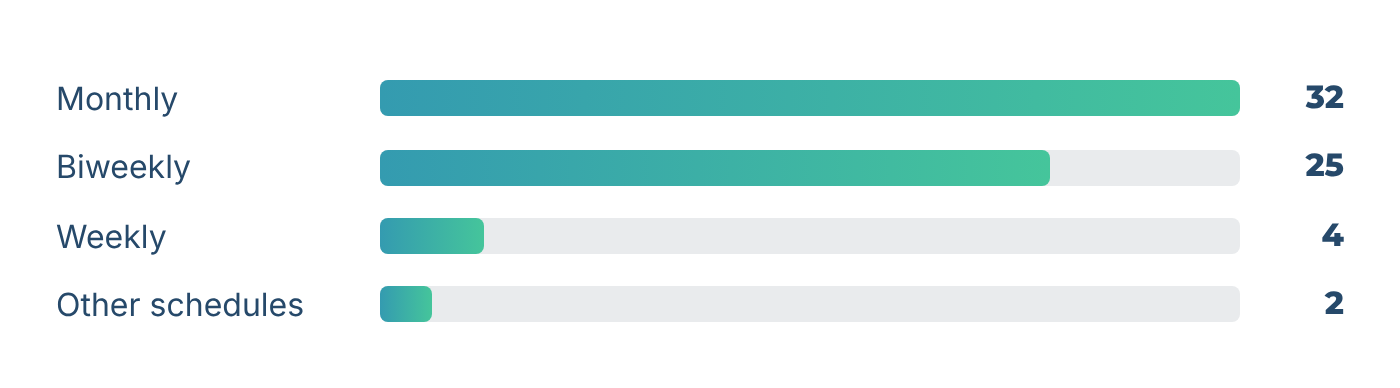
The growth that matters most is the recurring kind. More than 110 cleans a month now come from recurring clients, across more than 65 households and businesses. Most are on monthly or biweekly schedules, with a group of weekly clients and a daily commercial account on top. That work is on the calendar before a single new booking comes in.
Figure 2
Demand outgrew the team more than once. The company paused new bookings several times when the schedule was full, and hired multiple rounds of new cleaners to keep up. For a company that started with almost no online presence, the bottleneck became staffing, with more customers coming in than the team could serve.
The Throughline Was Recurring Revenue
Every piece of this work pointed at the same goal: clients who come back. The pricing rewards a recurring schedule. The content reaches the people most likely to want one, in the parts of the service area where they live. The CRM keeps every client and job in one system, so a first clean has a clear path to a standing appointment. And the careers page helps make sure there are enough cleaners to keep those appointments.
That’s why 110+ recurring cleans a month matters more than any single month of revenue. That work is already on the calendar, and it makes every month ahead more predictable.
Why This One Matters to Us
Most of our work starts with a business that already has years of decisions behind it. This one started with almost nothing, which let us help build each piece the right way the first time: the website, the booking flow, the content, and the software behind all of it. Sixteen months later, it’s a company running at capacity on a base of recurring clients, and we’re still building with them and are proud of the partnership we have.
If your website is working against the way your business runs, that’s the kind of problem we like solving. A website build is included free with a 12-month marketing program, and a free consultation is the easiest place to start.
Every figure in this case study comes from the client’s own CRM, booking, and revenue records, plus first- and third-party website performance data platforms. For privacy, we do not disclose the brand name.